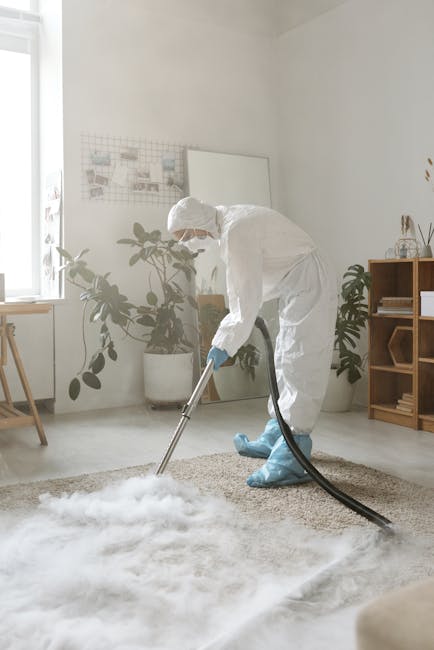
Emergency flood cleaning and drying Lambeth flats SE1
If water has poured into your flat, the first few minutes can feel oddly quiet and chaotic at the same time. One minute you are dealing with a dripping ceiling, soaked carpet, or a burst pipe in the hallway; the next, you are trying to work out what can be saved and what needs to be removed straight away. Emergency flood cleaning and drying Lambeth flats SE1 is about more than mopping up. It is about stopping hidden damage, reducing smell, limiting mould growth, and getting a flat back to a safe, liveable condition without making the problem worse.
In Lambeth and across SE1, flats often have shared walls, compact layouts, fitted flooring, and busy access routes. That makes flood recovery a bit different from a house. You need fast action, sensible drying, and a clean-up approach that respects both the building and the people living in it. This guide breaks down what to do, how the process works, and where professional help usually saves time, stress, and money. It is practical, straightforward, and written for real life - because, frankly, floods do not wait for a convenient moment.
Why emergency flood cleaning and drying Lambeth flats SE1 matters
Water damage spreads faster than most people expect. A puddle on the floor is the visible part; underneath, water can move into underlay, skirting boards, joists, grout lines, and wall cavities. In flats, that matters even more because there may be neighbours below or beside you, and moisture can travel through shared structures. The sooner the clean-up starts, the lower the risk of staining, warped flooring, damaged contents, and that damp smell that seems to linger in the air like it has paid rent.
There is also the practical issue of living space. A wet flat can become unsafe very quickly. Slippery floors, compromised electrics, lifted carpets, and contaminated water all need careful handling. If the flood came from a clean water source, the situation is still serious. If it involved grey water or sewage, the urgency goes up again because hygiene and infection control become part of the job.
In Lambeth and SE1, many flats have limited natural airflow, especially in colder months. You can open a window, sure, but that alone rarely dries a soaked room properly. Targeted extraction and dehumidification are usually needed. That is why emergency flood cleaning and drying is not just a tidy-up service. It is a damage-control process that protects the structure of the flat and the health of the people living there.
Expert summary: The biggest mistake after a flat flood is waiting too long. Water rarely stays where you can see it, and the hidden damp is often the part that causes the expensive problems later on.
How emergency flood cleaning and drying Lambeth flats SE1 works
The process normally begins with an assessment. That means identifying the source of the water, the type of contamination, which materials are affected, and how deep the moisture has spread. In a flat, the layout matters: hallways, bathrooms, kitchens, and boxed-in storage areas often trap moisture in odd corners. A good clean-up plan takes that into account rather than rushing straight to surface cleaning.
From there, the team will usually isolate the affected area where possible, remove standing water, and begin a structured drying phase. This may include air movement, dehumidification, and sometimes lifting certain materials for faster drying. If carpet or upholstery has been exposed, treatment may be needed to deal with odours, staining, and residue. For example, a soaked lounge carpet may need more than steam cleaning later; it may need careful flood extraction first, followed by professional carpet care once the moisture is under control. In some cases, a related carpet cleaning or steam carpet cleaning treatment is part of the recovery plan, but only after the fabric is dry enough to handle safely.
Soft furnishings are another common issue. Curtains, sofas, rugs, and mattresses can absorb water quickly and hold odours if they are not treated properly. Depending on what was affected, specialist cleaning may be needed through services such as sofa cleaning, curtain cleaning, rug cleaning, or mattress cleaning. That is not just about appearance. It is about making sure the material is hygienic and does not become a smell source two weeks later, which, to be fair, nobody wants in a small flat.
The final stage is verification. Professionals should not simply assume things are dry because the surface feels fine. Moisture can remain below the surface long after the top layer looks normal. Proper drying means checking the affected materials, confirming that the environment is stabilising, and advising on any follow-up cleaning or stain removal once the structure is safe to treat.
Key benefits and practical advantages
The most obvious benefit is speed. A fast response can reduce the amount of material that needs replacing, which is a big deal in flats where flooring and fittings are often fixed in place. The earlier the water is removed, the better the chance of saving carpets, underlay, and furniture. Even simple things like a hallway runner or a fitted wardrobe base can become costly if left damp for too long.
Another major benefit is reducing secondary damage. Damp surfaces invite mould, mildew, and stale odours. They also create the conditions for staining and swelling in timber, chipboard, and composite materials. You may notice the room feels cold and slightly heavy even after the visible water is gone. That is often moisture still being released into the air.
There is also a health and comfort angle. Wet floors, contaminated water, and mould spores can aggravate breathing problems and make a flat unpleasant to live in. Emergency flood cleaning gives you a cleaner, safer environment much sooner, which matters when you are trying to sleep, work from home, or care for children in a very small space. Let's face it, you do not want to spend a week circling a soggy hallway like it is a museum exhibit.
- Less structural damage: reduces the chance of hidden damp spreading into floors and walls.
- Better hygiene: removes contaminated residue before it becomes a bigger issue.
- Fewer odours: helps stop that musty smell from settling in.
- Faster return to normal: useful when the flat is occupied or shared.
- Improved salvage rates: increases the chances of keeping carpets and furnishings.
Who this is for and when it makes sense
This service is for anyone dealing with unexpected water ingress in a Lambeth or SE1 flat. That includes tenants, landlords, leaseholders, managing agents, housing providers, and businesses operating from apartment-style premises. It is especially relevant when the flat has limited ventilation, valuable furnishings, or shared building elements that may be affected by moisture.
It makes sense after burst pipes, overflowing washing machines, leaking radiators, roof leaks, toilet overflows, appliance failures, or heavy rain getting in through damaged seals. If the water has affected carpets, underlay, rugs, upholstered furniture, or mattresses, specialist treatment can make a real difference. A quick response matters even if the flood looks small. A patch the size of a tea towel can still creep under flooring and stay there far longer than you would expect.
It is also sensible when you are unsure whether the water is clean or contaminated. If you cannot tell the source, avoid handling it casually. When in doubt, isolate the area and get proper advice. That tiny bit of caution can save a lot of trouble later.
Step-by-step guidance after flooding
If you are dealing with flood water right now, keep things simple. Do not try to do everything at once. Work through the problem in order.
- Make the area safe. Turn off power to affected circuits if it is safe to do so, and avoid standing water near sockets or appliances.
- Stop the source. If the water is from a pipe, appliance, or fixture, close valves or isolate the supply where possible.
- Remove people and pets. Keep everyone away from slippery or contaminated areas.
- Photograph the damage. Clear photos help with landlord, insurer, or building management conversations later.
- Extract standing water. Use towels, wet vac equipment, or professional extraction as soon as possible.
- Move salvageable items. Lift rugs, soft furnishings, and smaller belongings to a dry room if safe to do so.
- Start drying properly. Use airflow and dehumidification, not just open windows and hope.
- Clean the affected materials. Treat floors, hard surfaces, and fabrics based on the water type and material.
- Check for hidden damp. Monitor skirting boards, carpets, underlay, and wall edges.
- Arrange follow-up care. Once dry, book any additional cleaning, stain removal, or restoration needed.
One thing people often miss: drying starts immediately, but deep cleaning should not be rushed if materials are still saturated. You want the order right. Dry, assess, clean, verify. That sequence matters.
Expert tips for better results
First, lift soft items off wet floors straight away. Even a folded towel under a chair leg can help prevent staining or transfer while drying is underway. In a flat, where space is tight, that little bit of movement makes a difference. Second, keep internal doors open where safe. This helps airflow move through the property instead of trapping humidity in one room.
Third, do not rely on heat alone. Turning the heating up can make a room feel drier for a short while, but warm air without moisture removal may just push damp deeper into materials. A controlled drying setup is usually better. Fourth, if the flood has affected a carpet, avoid aggressively scrubbing the area before it has been properly assessed. Scrubbing can spread staining and work contaminants deeper into the pile. A gentler approach is usually smarter.
Another useful tip: smell matters. If you notice a sweet, earthy, or musty odour, that is often a clue that moisture is still present somewhere. The nose is not a laboratory, obviously, but it does give you a warning sign. And if the smell gets stronger after the room has been closed for a few hours, that is another hint the drying job is not finished yet.
For landlords and agents, document the process carefully. Keep notes on what was affected, what was cleaned, and what still needs attention. That way, if a tenant calls back later about a lingering smell or a stain at the carpet edge, you are not guessing. You are working from records.
Common mistakes to avoid
One common mistake is waiting until the next day. It feels manageable in the moment, especially if the flood looks modest, but water does its best work when nobody is watching. Another mistake is drying only the visible surface. If the carpet feels dry underfoot but the underlay is still damp, the problem has not gone away at all. It has just gone undercover.
People also sometimes use household cleaners too early, especially on carpets and upholstery. That can set stains, spread contamination, or interfere with later professional treatment. Harsh chemicals can also damage finishes in a way that is far more expensive than the original water issue. A small flood plus the wrong cleaner can become a larger headache. Annoying, but true.
Here are a few other traps to avoid:
- walking repeated wet traffic through the flat
- leaving rugs flat on the floor while they are drying
- ignoring corners and edges where moisture collects
- putting furniture back too soon
- assuming a room is fine because the smell has faded briefly
The main idea is simple: do not guess. Flood recovery rewards patience and method more than speed alone.
Tools, resources and recommendations
For a small amount of clean water, the basic tools may include towels, mops, buckets, fans, and a wet vacuum. For anything more than a minor spill, though, specialist drying equipment is usually worth it. Dehumidifiers, air movers, and moisture meters make a huge difference because they help remove water from the air and verify whether materials are truly dry.
If fabrics and flooring were affected, the right cleaning method depends on material type. A rug, for example, may need separate handling from fitted carpet. Soft furnishings are different again, which is why services such as upholstery cleaning and pet stain odour removal can become relevant where a flood has left lingering smells or mixed contamination with existing household odours. That is not a gimmick; it is about matching the treatment to the material.
When choosing help, look for clear communication, practical advice, and a sensible assessment before anyone starts cleaning. You also want a provider that can explain the difference between cleaning, drying, and restoration. Those are related, but not identical. A decent team will say so plainly instead of pretending every problem is solved by one machine and a cheerful attitude.
If you want to understand service standards, pricing approach, or how bookings and payments are handled, it can be useful to review the company's pricing and quotes, payment and security, and terms and conditions. For background on company practices and trust signals, about us and insurance and safety are also worth a look. If a question comes up later, the contact us page is the practical next step.
Law, compliance, standards, or best practice
Flood response in flats is not usually about one single law so much as a mix of common-sense safety practice, building management duties, and hygiene expectations. In the UK, anyone dealing with water damage should be mindful of electrical safety, slip hazards, waste disposal, and the possibility of contaminated materials. If a landlord or managing agent is involved, record-keeping and prompt action are especially important because delays can create avoidable disputes later.
Good practice also means separating clean water from contaminated water. The response to a simple plumbing leak should not be the same as the response to sewage or flood water that may carry bacteria. In those cases, protective equipment, careful containment, and more rigorous cleaning are needed. No need to dramatise it, but it is better to be cautious than to discover a problem the hard way.
For flats, communication matters too. If the water affected another property, or may have come from above or below, notify the relevant people quickly and keep a clear log of what happened. That is useful for insurers, landlords, and building managers. It also helps avoid the awkward guessing game of who saw what first.
Professional cleaners should work in line with general health and safety expectations and should be able to explain their approach in plain English. If they cannot tell you how they will protect flooring, reduce spread, and confirm drying, that is a decent reason to pause.
Options, methods, or comparison table
There is more than one way to deal with a flooded flat, and the best method depends on the water source, room type, flooring, and how long the water has been sitting. The table below gives a simple comparison of common approaches.
| Method | Best for | Strengths | Limitations |
|---|---|---|---|
| Basic towel and mop clean-up | Very small clean-water spills | Quick, cheap, immediate | Does not deal with hidden damp or deep saturation |
| Wet vacuum extraction | Standing water on hard floors or carpets | Removes liquid fast, reduces spread | Still needs drying and often follow-up cleaning |
| Dehumidification and air movement | Most flood-damaged flats | Targets moisture in the air and materials | Works best when set up and monitored properly |
| Specialist fabric and carpet treatment | Carpets, rugs, upholstery, curtains | Improves hygiene and odour control | Should usually happen after initial drying stabilises |
| Full restoration or replacement | Severe contamination or structural damage | Long-term safety and reliability | More disruptive and usually costlier |
If the flat has also suffered staining after the water receded, a targeted stain removal treatment may be useful once the fabric is dry enough for safe cleaning. That last bit matters. Cleaning too early can lock the stain in place, which is a bit of a frustration, but avoidable.
Case study or real-world example
Imagine a top-floor SE1 flat where a washing machine hose loosens overnight. By morning, water has spread from the kitchen into the hallway and across part of the living room carpet. The visible water is only one problem. The underlay has absorbed moisture, the skirting board is damp, and there is a faint smell of wet fabric already starting to build.
The first step is to isolate the appliance and make the area safe. Next, standing water is removed and the carpet is lifted back just enough to assess the underlay and edge areas. Dehumidifiers and air movement are introduced, and the affected space is monitored over the following hours and days. Once the structure is dry enough, the carpet can be cleaned and any odour-related treatment completed. A rug nearby may need separate attention, and the sofa corner that picked up spray from the hallway might need upholstery care too.
What made the difference here was not magic, and not brute force either. It was sequence. Remove water. Dry properly. Clean carefully. Verify the result. That straightforward approach usually gives the best outcome, especially in flats where every extra day of damp can affect shared spaces and nearby rooms.
Practical checklist
Use this checklist if you are dealing with emergency flood cleaning and drying in a Lambeth flat:
- turn off power to affected areas if it is safe
- stop the water source or report it immediately
- take photos before moving too much
- remove standing water as quickly as possible
- move valuables and soft items out of the wet area
- open internal access routes to improve airflow
- use drying equipment rather than relying on guesswork
- keep an eye on skirting boards, carpet edges, and cupboards
- do not refit furniture until the room is genuinely dry
- book follow-up cleaning for fabrics, carpets, or stains where needed
Quick reminder: if the water looks dirty, smells foul, or has come from a toilet, drain, or unknown source, treat it as a contamination issue rather than a simple clean-up. That shift in approach matters a lot.
Get a free quote today and see how much you can save.
Conclusion
Flood damage in a flat is stressful enough without adding delay, guesswork, or the wrong cleaning approach. The best results usually come from quick containment, structured drying, and careful cleaning once the materials are ready for it. In SE1, where flats are often compact and shared, that disciplined approach can save flooring, furnishings, and a lot of hassle.
If you are facing emergency flood cleaning and drying Lambeth flats SE1, the sensible move is to act early, document everything, and choose a response that deals with both the visible mess and the hidden moisture. The room may look calmer by the afternoon. The important bit is making sure it is actually dry, safe, and properly clean underneath.
And if today has already been one of those days, a small bit of reassurance: this sort of problem is messy, yes, but it is very often manageable with the right process and a steady hand.
Frequently Asked Questions
How quickly should flood cleaning start in a Lambeth flat?
As soon as the area is safe to access. The faster water is removed and drying begins, the better the chance of limiting hidden damp, odour, and damage to flooring or furniture.
Can I just use fans and open windows?
Sometimes for a tiny spill, but not usually for a true flood. Fans and windows help airflow, but they do not reliably remove moisture from carpets, underlay, or enclosed flat spaces on their own.
What if the water came from a washing machine or pipe leak?
That is often classed as a clean-water incident at first, but you still need fast drying and proper cleaning. Even clean water can cause mould and staining if it sits too long.
Is flood water in a flat always dangerous?
Not always, but it should never be treated casually. If the source is unknown, or if the water came from a toilet, drain, or external flooding, it should be handled as contaminated until assessed properly.
Will my carpet need to be replaced?
Not necessarily. Some carpets can be saved if they are extracted and dried quickly. The condition of the underlay, padding, and subfloor often decides whether cleaning is enough or replacement is needed.
How do you know if a flat is fully dry?
By checking more than the surface. Good practice includes looking at edges, skirting lines, and moisture levels in affected materials rather than assuming the room is dry because it feels okay.
Can flooded upholstery or curtains be cleaned?
Often yes, but it depends on the fabric, the water source, and how long the material was wet. Services like upholstery cleaning and curtain cleaning are usually considered after the item has been assessed and dried appropriately.
What should landlords do after a flood in a tenant's flat?
Document the damage, arrange a prompt response, keep communication clear, and make sure the drying and cleaning process is recorded. Quick action helps reduce disputes and secondary damage.
How long does drying usually take?
It varies. A small incident may dry relatively quickly, while a deeper soak in a flat with carpets and enclosed rooms can take longer. The type of flooring, ventilation, and water depth all affect timing.
Can flood cleaning remove bad smells?
Yes, if it is handled properly. Odours usually come from trapped moisture or contaminated residue, so the key is thorough drying and cleaning rather than masking the smell.
Should I move furniture back straight away?
No. Put furniture back only when the floor and nearby materials are fully dry. Moving items back too soon can trap moisture and leave rings, marks, or lingering damp.
Where can I find help or ask about the next step?
If you need a practical next step, a clear service discussion and quote request is often the best place to start. You can also review the company's service details, safety information, and contact options before deciding.