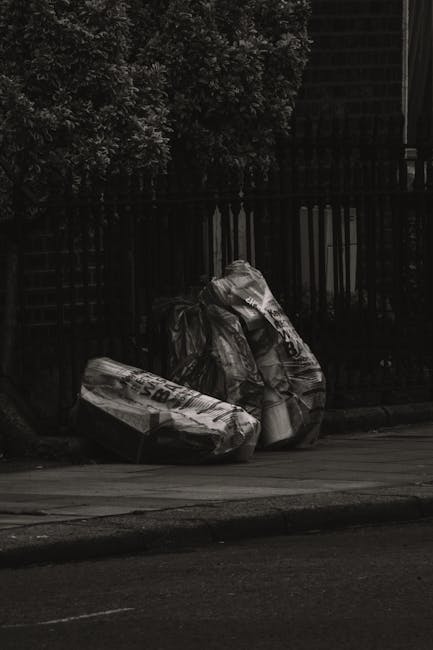
Lambeth Council Permits and Bulky Waste Rules for Cleaning Firms
If you run a cleaning business in Lambeth, or you manage one that works across South London, the admin around waste can catch you out faster than the actual cleaning job. A sofa left in a hallway, a ruined mattress from a late-night tenancy clean, or a pile of carpet offcuts after a deep clean can quickly turn into a compliance question. That is where Lambeth Council permits and bulky waste rules for cleaning firms really matter.
This guide breaks down the practical side of working in Lambeth: what permits may be needed, how bulky waste should be handled, what cleaning firms should ask before removing items, and how to stay on the right side of council expectations without making life harder than it needs to be. It is written for people who want clear answers, not waffle. Let's face it, nobody needs another vague "check local rules" page.
Along the way, we will also point to a few useful business pages on this site, including our background, health and safety approach, insurance and safety information, and our recycling and sustainability policy, because compliance is never just one thing. It is a set of habits.
Table of Contents
- Why Lambeth Council permits and bulky waste rules for cleaning firms Matters
- How Lambeth Council permits and bulky waste rules for cleaning firms Works
- Key Benefits and Practical Advantages
- Who This Is For and When It Makes Sense
- Step-by-Step Guidance
- Expert Tips for Better Results
- Common Mistakes to Avoid
- Tools, Resources and Recommendations
- Law, Compliance, Standards, or Best Practice
- Options, Methods, or Comparison Table
- Case Study or Real-World Example
- Practical Checklist
- Conclusion
- Frequently Asked Questions
Why Lambeth Council permits and bulky waste rules for cleaning firms Matters
Cleaning firms often deal with more than dirt. They deal with what dirt leaves behind. Broken furniture, discarded mattresses, soaked carpets, old curtains, packaging, damaged padding, and the occasional "please can you just take this too?" request are all part of the real world. In a busy borough like Lambeth, that can raise three separate issues at once: access, waste handling, and property responsibility.
Why does this matter so much? Because one wrong assumption can create a mess that has nothing to do with cleaning. A crew might finish a property to a high standard, only to leave bulky items in the wrong place, use an unsuitable collection method, or park in a way that blocks access. That is when time gets lost, clients get annoyed, and the job starts costing more than it should. Nobody wants the "quick clean" to become a small logistics drama.
For landlords, managing agents, cleaners, and end-of-tenancy teams, Lambeth rules also matter because they shape how waste is presented, stored, and removed. Bulky waste is not just "big stuff." It usually needs proper sorting, sensible timing, and clear responsibility for who arranged the collection. If your team works on commercial contracts, it can also affect site access, loading, and whether extra handling steps are needed. See our commercial carpet cleaning service for the kind of work where planning and compliance often overlap.
Expert takeaway: In practice, the safest approach is to treat bulky waste as part of the job plan, not an afterthought. The cleaner who plans waste handling early usually finishes earlier, too.
How Lambeth Council permits and bulky waste rules for cleaning firms Works
In plain English, the process usually comes down to three questions: what is being removed, where it is going, and who is responsible for the removal. Cleaning firms in Lambeth may need to think about council permissions, access arrangements, and waste collection methods depending on the type of work they are doing.
For example, if a team is cleaning a flat after a move-out, they may find a mattress, broken shelving, old rugs, and bags of mixed waste. A cleaner is not automatically the waste carrier, but if the firm agrees to remove items, the job has moved beyond surface cleaning. That is where clear terms and proper handling become important. It is also where your booking paperwork should be unambiguous. If waste removal is included, it should be clear. If it is excluded, that should be clear too. Simple, but often forgotten.
Bulky waste rules usually focus on not leaving large items in a way that causes obstruction, contamination, or fly-tipping risk. A cleaning firm should know whether the council allows kerbside placement, what timing windows apply, and whether the client has arranged a collection. The exact route can vary by circumstance, so it is safest to confirm the current local process rather than guess. The same goes for permits relating to parking, skips, loading bays, or controlled access. A job in a tight Lambeth street at 8:00 a.m. can be very different from one in a larger commercial building with a service entrance and porter.
If your work includes textile disposal, stain-heavy soft furnishings, or damp items that cannot be reused, it is wise to separate the cleaning output from the waste stream. A freshly cleaned rug is one thing; a ruined one being removed is another. If you need the cleaning side of that work handled professionally, see rug cleaning, sofa cleaning, and mattress cleaning.
What counts as bulky waste in a cleaning job?
In day-to-day cleaning work, bulky waste usually means items too large for ordinary domestic waste handling. Think mattresses, chairs, sofas, carpets, underlay, large broken fixtures, or heavy bags of mixed clear-out waste. It can also include oddly shaped items that are awkward to move safely. The exact boundary is practical rather than poetic. If it needs two people, a van ramp, or careful route planning, it is probably bulky enough to require special thought.
Key Benefits and Practical Advantages
Getting the permit and bulky waste side right is not just about avoiding trouble. It makes the job easier. Proper planning gives a cleaning firm better control over timing, access, customer expectations, and crew safety. And in a borough like Lambeth, where streets can be busy and parking can be tight, that matters more than people realise.
- Fewer delays: When access and waste handling are planned, you spend less time standing around wondering where the item can go.
- Lower risk of complaints: Clients are less likely to object when removal is clearly agreed in advance.
- Safer manual handling: Heavy or awkward items can be dealt with properly instead of being dragged, tipped, or left in unsafe spots.
- Cleaner handover: The property looks finished, not half-finished with a chair balanced by the front door.
- Better business reputation: People notice when a firm is tidy, organised, and careful with local rules.
There is also a commercial upside. A cleaning company that understands waste-related constraints can quote more accurately and avoid those annoying last-minute add-ons. If a job needs specific handling, parking coordination, or extra labour, that should be known early. That is where clear pricing and good customer communication help. Our pricing and quotes page explains how transparent estimates support better planning.
One practical benefit people often miss is brand trust. Clients do not always remember the technical detail, but they remember whether the team made the process smooth. In a service business, that counts for a lot.
Who This Is For and When It Makes Sense
This topic is relevant to several types of cleaning firms, not just one. If your business ever deals with large item removal, access restrictions, or post-clean clear-outs, you should understand the rules before the van turns up.
Cleaning businesses that should pay close attention
- End-of-tenancy cleaners dealing with abandoned or unwanted furnishings
- Commercial cleaning firms handling office clearances, carpet offcuts, or out-of-service furniture
- Upholstery and soft furnishing specialists who may encounter items beyond repair
- Carpet and rug cleaners who remove worn materials, underlay, or contaminated sections
- Property maintenance teams that work alongside cleaners on handover jobs
It makes sense any time a job includes more than cleaning solutions and cloths. For instance, a landlord might ask for a stairwell carpet clean and then mention a damaged chair in the corner that "needs sorting". That extra chair can change everything. Same job, different logistics. Same building, different rules.
If you work in homes with pets, odour, or heavy soiling, bulky waste can also come up alongside replacement items. A smashed pet bed or a ruined rug may be part of the picture. See pet stain and odour removal and stain removal for jobs where the finish line is sometimes "clean enough to keep" and sometimes "clean enough to dispose responsibly".
Step-by-Step Guidance
If you want a straightforward working method, use this. It is not glamorous, but it works.
- Identify the item or waste stream. Decide whether you are cleaning it, removing it, or both. A sofa to be cleaned is not the same as a sofa to be disposed of.
- Check responsibility. Confirm whether the client, landlord, agent, or cleaning firm is arranging disposal. Put it in writing. Every time.
- Review access. Look at parking, lifts, stairs, loading space, and the route from the room to the exit. A simple hallway can become a bottleneck fast.
- Confirm any permit or collection requirement. If the job involves council-controlled access or bulky waste presentation, verify the current process before the appointment.
- Separate reusable from disposable items. Keep cleanable textiles apart from materials that are damaged beyond practical repair.
- Plan safe movement. Use two-person lifts, gloves, trolleys, and a route that avoids scratches, spills, and blocked exits.
- Document the handover. Record what was cleaned, what was removed, and what was left behind. This saves arguments later. Honestly, it really does.
A small tip from experience: take a quick photo before the job starts and another at the end. Not because you expect trouble, but because recollection gets fuzzy when everyone is busy and the kettle is on. Those pictures can be very useful if someone later says an item was supposed to go with the crew.
If you want to keep customer expectations tighter, it helps to explain the scope during booking. Our terms and conditions and contact page are good reference points for how clear service communication should feel.
Expert Tips for Better Results
Good compliance is usually boring in the best possible way. No drama, no guesswork, no unexpected trips back to the property. These tips come from that mindset.
1. Build waste checks into your pre-visit call
Ask what bulky items are on site before you arrive. Not just "is there anything large?" but "is there anything you want us to clean, move, or remove?" That one extra sentence can save a whole hour.
2. Keep cleaning and removal separate in your head
It is easy to treat everything as "part of the job". But from a risk perspective, cleaning, moving, and disposal are different tasks. Different handling, different liability, different time.
3. Protect stairwells, walls, and communal areas
Lambeth properties can include narrow entrances, shared staircases, and older layouts. A sofa can scrape a wall in seconds. Use proper guards or a second pair of hands if needed.
4. Use sustainability as a decision filter
Not every item should be treated the same. Some can be cleaned, repaired, or repurposed. Others should be disposed of responsibly. Our recycling and sustainability guidance supports a more thoughtful approach to waste.
5. Keep a clean paper trail
Receipts, job notes, messages, and photos matter. If a client questions whether a mattress was supposed to be removed or simply cleaned, your records do the talking. Which is handy, because your crew may already be halfway to the next job.
Common Mistakes to Avoid
Most problems in this area are not complicated. They come from assumptions, poor handover notes, or a bit of "we'll sort it on the day" thinking. That phrase has caused more headaches than it deserves.
- Assuming the client arranged disposal. Never assume. Ask.
- Leaving bulky waste in a shared area. Even if it is temporary, it can create obstruction or complaints.
- Ignoring parking or access limits. A perfectly good job can be undermined by poor vehicle planning.
- Mixing clean and dirty items. This can create contamination and confusion over what should be removed.
- Not documenting scope changes. If the job evolves on arrival, record the change immediately.
- Using the wrong team setup. Heavy items need the right number of people and the right equipment. Not a heroic lift and a hopeful smile.
A smaller mistake, but still common, is overpromising. A client may ask whether you can "just take the old one too". If you are not set up for that, say so. Clear boundaries are better than a messy favour that turns into a dispute. And if a complaint does happen, a proper process matters. You can see how we handle issues on the complaints procedure page.
Tools, Resources and Recommendations
You do not need fancy gear to manage bulky waste well, but you do need a few basics. The practical kit tends to be the same whether you are cleaning a flat, an office, or a rental property after a busy weekend checkout.
- Job checklist for access, items, and responsibility confirmation
- Heavy-duty gloves and protective footwear for safe handling
- Trolleys or dollies for awkward furniture
- Protective floor coverings for tight hallways and shared entryways
- Camera or phone notes for before-and-after documentation
- Clear customer terms setting out what is included and what is not
For businesses that want to look after staff and customers properly, the support pages on health and safety and insurance and safety are worth reviewing alongside waste handling practices. If you are also handling textile work, the practical side of stain treatment and fabric care is covered in upholstery cleaning, curtain cleaning, and steam carpet cleaning.
One small recommendation: keep a standard "bulky item" question in every booking form. It sounds basic, but basic systems are the ones that actually get used on a wet Tuesday morning when everything is moving quickly.
Law, Compliance, Standards, or Best Practice
For cleaning firms, the safest way to approach Lambeth Council permits and bulky waste rules is to separate what you know from what you need to confirm. Local rules can change, and specific permit or collection requirements may depend on the property type, vehicle use, access conditions, and the exact waste involved. So, be careful about assuming a one-size-fits-all process.
From a best-practice point of view, the main expectations are straightforward:
- Do not block pavements, exits, or shared access routes unnecessarily.
- Make sure waste is handled in a way that avoids nuisance, contamination, or unsafe lifting.
- Confirm who is responsible for disposal before the job begins.
- Keep your service descriptions honest if bulky waste removal is not included.
- Maintain records that show what happened if a client query comes up later.
UK businesses that operate in cleaning and waste-adjacent work are generally expected to keep good records, work safely, and avoid informal disposal arrangements that could create environmental or contractual problems. That is not glamorous, I know. But it is the sort of thing that separates a solid operation from a shaky one.
If your firm also cares about ethical operations more broadly, the modern slavery statement is another sign of wider business standards. Not everyone reads that page first, fair enough, but it tells a useful story about how a business thinks.
Options, Methods, or Comparison Table
Cleaning firms usually deal with bulky waste in one of three ways. The right option depends on the item, the property, and the agreement with the client.
| Method | Best for | Advantages | Watch-outs |
|---|---|---|---|
| Client arranges collection separately | Jobs where the cleaner is only responsible for cleaning | Clear role split, simple pricing | Needs coordination so waste is not left behind |
| Cleaning firm removes agreed bulky waste | End-of-tenancy or commercial jobs with clear scope | Convenient for the client, smoother handover | Requires proper terms, access planning, and handling controls |
| Item is cleaned and retained | Reusable furniture, rugs, upholstery, or soft furnishings | Better value, less waste, more sustainable | Only works if the item is actually salvageable |
In many real jobs, the second option is where trouble sneaks in. The client thinks removal is included, the cleaner thinks it is "probably fine", and then everybody is surprised on the day. That is why scope clarity matters. If you handle a lot of soft furnishings, items may be better cleaned than replaced, especially when the fabric is still sound. For those situations, service pages like carpet cleaning and steam carpet cleaning can be more relevant than disposal planning.
Case Study or Real-World Example
Here is a realistic scenario. A cleaning team is booked for a one-bedroom flat in Lambeth after a tenancy ends. The client asks for a full carpet clean, odour treatment, and "a couple of bits to be taken away if possible". On arrival, the team finds a damaged mattress, a broken dining chair, two large rubbish bags, and a hallway that is barely wide enough for one person to pass with a vacuum, let alone a mattress.
The team pauses before starting. They confirm what is to be cleaned, what is to be removed, and who arranged disposal. They check whether the items are reusable or not, note the access route, and agree a time window for removal so the shared hallway is not blocked. The carpets are cleaned first, the mattress is handled separately, and the chair is left until collection responsibility is confirmed. No drama. No guesswork. Just a tidy sequence of decisions.
What made the job work was not luck. It was the boring stuff: questions asked early, scope confirmed, and a small amount of patience. The client was happier because the handover was clean and calm. The team was happier because they did not have to invent a waste solution halfway through a busy afternoon. Sometimes that is the real win.
Practical Checklist
Use this checklist before any Lambeth job that might involve bulky items.
- Have I confirmed whether any bulky waste is present?
- Do I know whether the client wants cleaning, removal, or both?
- Is waste removal included in the quote or excluded clearly?
- Have I checked access, parking, and loading conditions?
- Do I know whether a permit or council collection step is needed?
- Have I identified the safest route in and out of the property?
- Do I have the right people and equipment for lifting?
- Have I separated reusable textiles from items to be disposed of?
- Are my notes and photos ready if the client later asks questions?
- Have I explained the process to the customer in plain English?
If you can tick all of those off, you are already ahead of many firms. Not because you are trying to be perfect, but because you are being organised. And in this line of work, organised is underrated.
Get a free quote today and see how much you can save.
Conclusion
Lambeth Council permits and bulky waste rules for cleaning firms are best treated as part of the job design, not an awkward extra. When cleaning teams understand the local access issues, clarify responsibility for disposal, and keep proper records, the whole service becomes smoother. Jobs finish faster, customers feel better looked after, and there is far less room for disputes.
That is the real point here. Compliance is not just about avoiding trouble; it is about running a cleaner, calmer operation. A good cleaning business already knows how to remove mess. The next step is making sure the process around that mess is just as tidy.
If you are reviewing your own service setup, start with your booking questions, your terms, and your waste-handling process. Small changes there can make a surprisingly big difference. And if you want your team to feel more in control on site, this is one of those boring-but-brilliant topics worth getting right.
Frequently Asked Questions
Do cleaning firms in Lambeth need permission to remove bulky waste?
It depends on what is being removed, who arranged it, and how it is being handled. Some jobs only involve cleaning, while others include removal or disposal. If the job touches council-controlled access, parking, or collection arrangements, confirm the current local requirements before acting.
What counts as bulky waste for a cleaner?
Typically, bulky waste is anything too large or awkward for normal household waste handling. That often includes sofas, mattresses, chairs, rugs, carpets, and large broken items. If it needs special handling or two people to move safely, treat it as bulky.
Can a cleaning company throw away a client's old sofa?
Only if that has been agreed clearly and the firm is set up to handle disposal properly. It should never be assumed. The cleaner should know whether they are cleaning the sofa, removing it, or doing both.
What happens if bulky items are left outside the property?
Leaving bulky waste outside can create obstruction, complaints, and possible enforcement issues depending on the location and timing. It also looks unprofessional. Always make sure the removal plan is clear and safe.
Do I need a permit for parking or loading in Lambeth?
Possibly, depending on the location, vehicle, and access setup. Some jobs are straightforward, others are not. In busy streets or controlled areas, parking and loading can become the main issue rather than the cleaning itself.
Should the cleaning firm or the client arrange bulky waste collection?
Either can, but it must be agreed in advance. Many disputes happen because nobody confirmed responsibility. The safest route is to put it in writing before the appointment.
Is it better to clean or dispose of a damaged rug or mattress?
That depends on condition and value. If the item can be salvaged, cleaning may make more sense. If it is badly damaged, contaminated, or no longer usable, disposal may be the practical option. A good rule is to assess before deciding.
How should a cleaning firm record bulky waste decisions?
Use job notes, photos, and clear customer communication. Keep a record of what was agreed, what was removed, and what stayed on site. That documentation is useful if questions come up later.
What are the biggest mistakes cleaning firms make with bulky waste?
The most common mistakes are assuming the client arranged collection, failing to check access, and leaving scope vague. A close fourth is underestimating how awkward a heavy item can be in a narrow hallway. It happens more than people admit.
How can a cleaning business stay compliant without slowing down?
Build simple checks into your booking process: ask about bulky items, confirm responsibility, review access, and document changes. When those basics are routine, compliance stops feeling like a burden and starts feeling like good service.
Does sustainability matter when handling bulky waste?
Yes. Where items can be cleaned, repaired, or reused, that is often better than disposal. For items that must go, responsible handling matters. Our recycling and sustainability guidance reflects that practical approach.
Where can I get help with cleaning jobs that involve awkward or bulky items?
Start with a firm that understands both cleaning and the practical side of job planning. For services that often overlap with bulky waste decisions, take a look at upholstery cleaning, sofa cleaning, and mattress cleaning. That combination usually tells you a lot about how a team works.