Sofa and Upholstery Cleaning Before Renting in Clapham Common
If you are getting a flat ready to rent in Clapham Common, the sofa and soft furnishings can make or break the first impression. A room can look freshly painted and still feel tired if the upholstery is marked, dusty, or carrying that faint "lived-in" smell that tenants notice straight away. Sofa and upholstery cleaning before renting in Clapham Common is one of those small jobs that pays off quickly: it helps the property look cared for, makes viewings feel more inviting, and can reduce awkward conversations at check-in or check-out.
In a busy London rental market, details matter. A clean sofa, armchair, dining chair, or headboard does not just look better; it tells people the property has been looked after properly. This guide walks through why it matters, how professional cleaning works, the mistakes people make, and how to decide what actually needs attention before the new tenancy begins.
Why Sofa and Upholstery Cleaning Before Renting in Clapham Common Matters
Let's face it: rental decisions are often made in the first few seconds. If a sofa has visible drink rings, pet hair, old dust, or general dullness, people start wondering what else has been ignored. That feeling is hard to shake. A clean upholstered surface, by contrast, helps a room feel brighter, newer, and better maintained without any structural work at all.
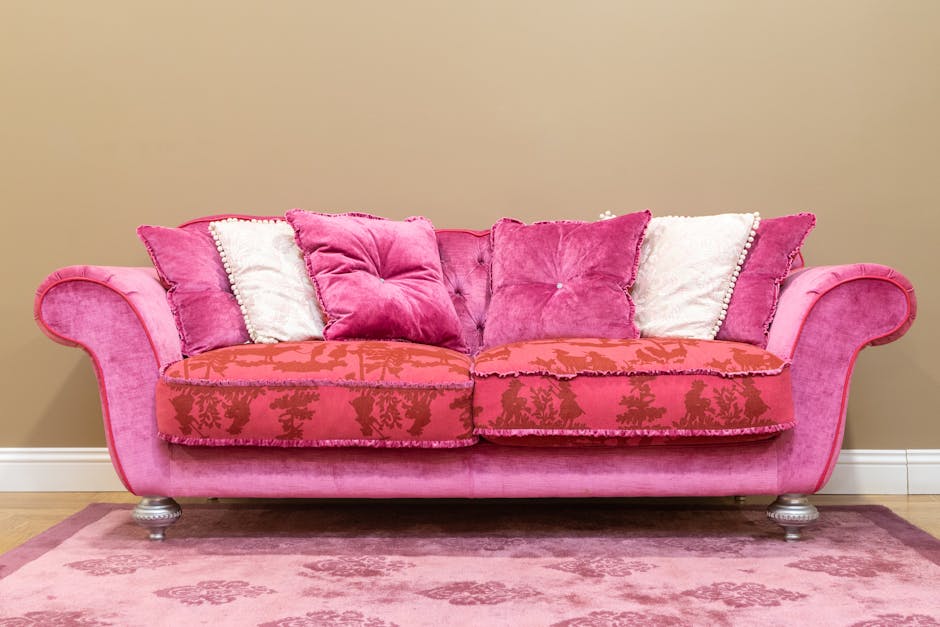
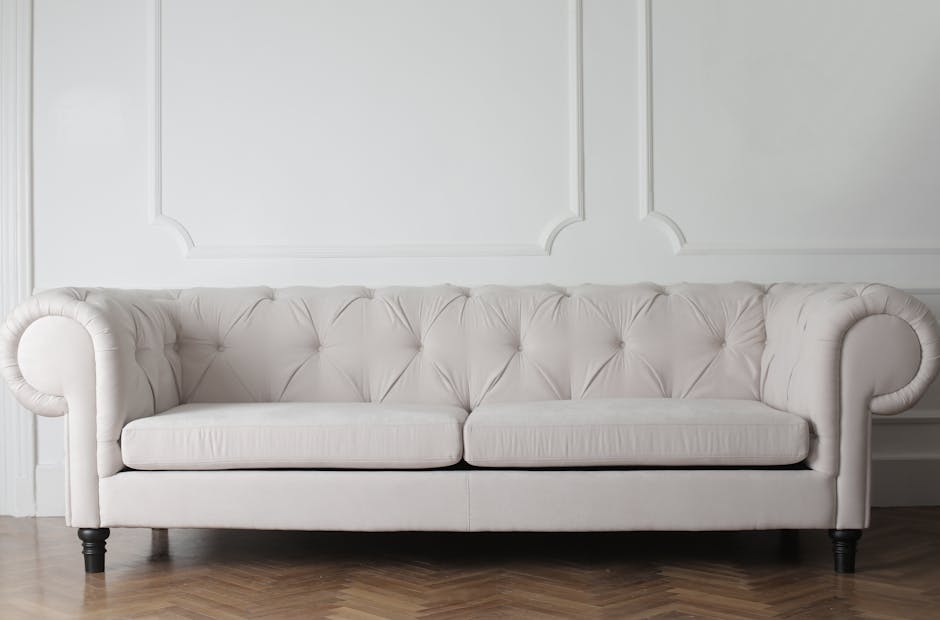
In Clapham Common, where many homes mix period features with modern rentals, the furniture often carries a lot of visual weight. A large corner sofa in a living room, for example, becomes one of the main focal points. If that piece looks neglected, the whole room can feel less valuable. This matters for landlords, letting agents, tenants preparing to hand back a property, and anyone staging a flat for viewings.
There is also a practical side. Upholstery collects dust, skin particles, crumbs, pollen, and everyday spills. Over time, these build up in ways you do not always notice until the light hits the fabric at an angle. You know the scene: the room seems fine until a late afternoon sunbeam shows every mark. A proper pre-rental clean helps reset that surface and remove the sort of residue that a quick vacuum simply cannot touch.
If your property has other soft furnishings that need attention, it is often sensible to combine sofa care with professional upholstery cleaning and, where needed, curtain cleaning or rug cleaning. That creates a more consistent finish across the whole room rather than fixing one item in isolation.
How Sofa and Upholstery Cleaning Before Renting in Clapham Common Works
Professional upholstery cleaning is usually more detailed than most people expect. It begins with an inspection of the fabric type, the condition of the piece, and any visible or hidden staining. Different materials need different treatment, and not every sofa should be cleaned in the same way. That is important. A delicate fabric can react badly to too much moisture, while a sturdier synthetic blend may benefit from a deeper extraction clean.
The usual process starts with dry soil removal. Loose dust, grit, and pet hair are lifted from seams, cushions, and creases. Then the technician identifies stains, wear patterns, and any areas that may need pre-treatment. If the fabric allows it, a hot water extraction or steam-based method may be used; on some pieces, low-moisture or specialist spot treatment is better. The aim is not just to make the sofa look cleaner for a day. The aim is to clean it safely, evenly, and with the fabric's condition in mind.
For rental properties, this is especially useful because the job is not only about aesthetics. It is about reducing the risk of lingering odours, making the fabric feel fresher to the touch, and improving the overall presentation before keys are handed over. A professionally cleaned sofa can make a room feel properly "ready" rather than merely tidied.
If you are dealing with marks from drinks, food, or everyday use, targeted stain removal may be needed before the full clean or as part of it. And if pets have left odour behind, it can help to look at pet stain and odour removal alongside the main upholstery treatment.
Key Benefits and Practical Advantages
There are plenty of reasons people arrange furniture cleaning before renting, but the strongest ones are usually very practical.
- Better first impressions: Clean upholstery makes rooms feel cared for and move-in ready.
- Less friction at check-in: A fresher property reduces arguments about whether a stain was already there.
- Improved hygiene: Upholstery can harbour dust and everyday grime even when it looks "fine".
- Odour reduction: Soft furnishings often hold onto cooking smells, pets, or damp-related odours.
- Longer fabric life: Removing embedded dirt can help reduce unnecessary wear.
- Better photos and viewings: Clean, neutral-looking furniture photographs better and feels more inviting in person.
There is also a quiet commercial benefit. If you are renting out a furnished property, a cleaner sofa can help the entire place feel more premium without replacing anything. That can matter in Clapham Common, where renters are often comparing several places at once and may notice small quality differences. It is not flashy, but it works.
Expert summary: if a soft furnishing is visible in the main living space, it deserves the same attention as the carpet or kitchen surfaces. In many rentals, the sofa is one of the biggest "signals" in the room, so leaving it grubby is a bit like polishing the windows and forgetting the front door.
Who This Is For and When It Makes Sense
This kind of cleaning is useful for a few different people, and the timing matters more than many realise.
Landlords often arrange sofa and upholstery cleaning between tenancies, especially if a property is furnished or part-furnished. It helps reset the space for new occupants and makes routine inspections easier later on.
Tenants moving out may choose to have upholstery cleaned before the final handover, particularly if the tenancy agreement requires the furniture to be returned in a clean condition or if there are visible marks from day-to-day use. Even when it is not explicitly required, leaving items fresh can help avoid disputes.
Letting agents may recommend a clean when preparing a property for market. A sofa that looks fresh can improve viewings, and that is simply good presentation.
Short-let hosts and furnished rental owners also benefit, especially where turnover is frequent. Soft furnishings can show wear quickly in high-use accommodation.
It makes sense to book a clean when:
- the property has visible marks, spills, or flattening on the fabric
- there is an odour you cannot shift with airing alone
- the sofa has not been professionally cleaned for a long time
- you are photographing the property for listing
- you want to reduce the risk of disputes at the end of a tenancy
Truth be told, most people wait until something looks bad before acting. Fair enough. But pre-rental cleaning is most effective when done before the property reaches that stage.
Step-by-Step Guidance
If you want a sensible, low-stress approach, use this sequence.
- Inspect the furniture carefully. Check seat cushions, arms, backs, piping, and the spaces under loose covers. Not just the obvious bits.
- Identify fabric type if possible. Velvet, wool blends, synthetics, and leather-like finishes all behave differently. If the care label is available, even better.
- Spot the main issues. Make a note of stains, odours, pet hair, dust build-up, and any colour loss or wear.
- Decide whether one item or the whole room needs attention. If the sofa is going, but the rug and curtains look equally tired, a wider clean may make more sense.
- Choose an appropriate method. The right technique depends on fabric and condition. A one-size-fits-all approach is usually a mistake.
- Schedule the clean before photos, viewings, or check-in. Ideally give yourself enough drying time so the room is ready, not half-damp and awkward.
- Review the result and keep notes. For landlords and agents, this helps with property records. For tenants, it provides clarity at handover.
A small but useful tip: if the room is empty apart from the sofa, clean the upholstery after dusting and before any final styling. It saves you from cleaning a surface and then dropping dust back onto it. Happens all the time, annoyingly.
Expert Tips for Better Results
There are a few practical habits that make a real difference.
- Do not over-wet fabric. More moisture is not always better. In fact, it can create water marks or prolong drying.
- Treat stains early where possible. Fresh marks are usually easier to deal with than old, set-in ones.
- Ask about drying time. This matters a lot if the tenancy starts the next morning. A room that still smells slightly damp is not ideal.
- Combine services when practical. If the sofa, carpet, and curtains all need attention, doing them together can be more efficient.
- Keep a record of what was cleaned. That helps with move-in or move-out admin and keeps everyone on the same page.
One thing people overlook is smell. Upholstery can look perfectly acceptable and still carry a stale or smoky background odour. You do not need to spray it into oblivion. A proper clean is usually the more honest fix. Less perfume, more removal.
If you are preparing a furnished rental, it can also be sensible to pair upholstery work with professional sofa cleaning and steam carpet cleaning so the whole living area feels balanced rather than patchy.
Common Mistakes to Avoid
Most of the avoidable problems are fairly simple, but they cause real headaches later.
- Waiting until the last minute. Upholstery may need time to dry properly before anyone uses the room.
- Using household products blindly. A spray that works on one fabric can damage another. Not worth the gamble.
- Ignoring hidden areas. The back, sides, and cushion gaps often hold the worst debris.
- Forgetting the rest of the room. A clean sofa looks odd next to dusty curtains or a grubby rug.
- Assuming every stain is removable. Some marks are permanent or have already altered the fibre. That is just the truth of it.
- Skipping documentation. In a rental context, photos and notes can prevent later disagreement.
Another common slip: people choose based only on price. Fair enough if the budget is tight, but with upholstered furniture the cheapest choice is not always the safest or the most effective. You want the work done carefully, not just quickly.
Tools, Resources and Recommendations
You do not need a cupboard full of gadgets to prepare a sofa for rental, but a few tools and checks help.
- Soft brush or upholstery attachment: useful for removing dust and loose particles before any deeper clean.
- Microfibre cloths: handy for gentle wipe-downs on hard edges and nearby surfaces.
- White towels or absorbent cloths: useful for blotting fresh spills without spreading them.
- Good ventilation: open windows where possible, especially after a wet clean.
- Property checklist: useful for landlords, tenants, and agents to track what has been cleaned.
For more specialist support, it can help to look at related services such as carpet cleaning, mattress cleaning, or pet stain and odour removal if the property has multiple soft-furnishing issues. If you are comparing service options and want a clearer idea of next steps, the pricing and quotes page is a sensible place to start. For general company information, you can also read the about us page.
And if you have practical questions about booking, access, or service details, the contact page is there. For payment-related reassurance, the site also covers payment and security.
Law, Compliance, Standards and Best Practice
For rental properties in the UK, the key point is not to overstate what a clean does. Sofa and upholstery cleaning helps present a property well and supports reasonable hygiene standards, but it is not a legal substitute for repairs, pest treatment, or professional remediation where those are needed. If a sofa is damaged, structurally unsound, or heavily contaminated, cleaning alone may not be enough.
In practice, landlords and tenants should look to the tenancy agreement, inventory report, and general duty of care around the condition of furnished items. Best practice is simple: document the starting condition, use suitable methods for the fabric, and keep receipts or work notes where appropriate. That is especially helpful if you need to show the property was prepared properly before occupation.
Health and safety also matters. Wet upholstery should be dried fully and safely, with care taken around electrics, floor surfaces, and walkways. If you are arranging cleaning in a busy flat, it is sensible to think about access, trip hazards, and airing time. A good provider should be careful about this by default. If you want to understand how a company approaches safe working, its health and safety policy and insurance and safety information are worth a look.
Environmental practice may also be relevant. In rental settings, it is sensible to avoid unnecessary waste and choose cleaning methods that are appropriate rather than excessive. The recycling and sustainability page provides a useful sense of how responsible service decisions can fit into routine property care.
Finally, if you are reading service terms, complaints handling, or privacy details before booking, those pages exist for a reason. The terms and conditions, complaints procedure, and privacy policy pages are part of the trust picture, and yes, people do check them when something matters. Sensible, really.
Options, Methods, or Comparison Table
Different cleaning approaches suit different sofas and rental situations. Here is a straightforward comparison.
| Method | Best for | Strengths | Limitations |
|---|---|---|---|
| Light vacuum and surface refresh | Low-traffic items with minimal soiling | Fast, inexpensive, useful between deeper cleans | Will not remove embedded dirt or stubborn odours |
| Spot treatment | Specific stains or marks | Targets visible problems quickly | Can leave tide marks if done badly; not ideal for widespread soil |
| Hot water extraction or steam-style cleaning | Durable upholstery that needs a deeper reset | Good for grime, general freshness, and fuller cleaning | Requires drying time and careful fabric assessment |
| Low-moisture specialist cleaning | Delicate fabrics and quicker turnaround jobs | Reduced drying time, safer for some materials | May not suit heavy staining or every fabric type |
If you are unsure which route is right, the safest answer is usually to inspect the upholstery first and match the method to the material. That sounds obvious, but honestly, it is where a lot of problems start. A sofa is not just a sofa. Fabric, age, and prior treatment all matter.
Case Study or Real-World Example
Imagine a furnished two-bedroom flat near Clapham Common that is being re-let after a tenancy changeover. The living room is tidy enough, but the sofa shows faint ring marks, a bit of pet hair in the seams, and a stale smell that becomes more noticeable once the windows are shut. Nothing dramatic. Just enough to make the room feel less fresh.
The landlord decides to have the sofa cleaned before viewings. The technician inspects the fabric, checks the problem areas, and uses suitable pre-treatment on the armrest marks before cleaning the main seating area. The cushions dry overnight with decent ventilation. By the next day, the room feels lighter, the odour has reduced noticeably, and the photos look cleaner and more inviting. No miracle happened. It was just a careful, sensible reset.
That is the point, really. Pre-rental upholstery cleaning is often about removing small friction points that otherwise linger in the back of a viewer's mind. A clean sofa does not shout. It simply lets the room breathe.
Practical Checklist
Use this quick checklist before renting out or moving into a furnished property:
- Inspect the sofa, chairs, and other upholstered items in good daylight.
- Check for stains, odours, loose fibres, pet hair, and flattened areas.
- Confirm the fabric type or care label if available.
- Decide whether one item or the whole room needs attention.
- Book cleaning with enough time for drying before handover or viewings.
- Consider related services such as carpets, rugs, curtains, or mattresses.
- Take before-and-after photos for records.
- Keep invoices, notes, or treatment details with your property file.
- Ventilate the room well after cleaning.
- Do a final walk-through once everything is dry.
If you can tick all of those off, you are in a good place. Not perfect, maybe, but very close.
Get a free quote today and see how much you can save.
Conclusion
Sofa and upholstery cleaning before renting in Clapham Common is one of those practical jobs that quietly improves everything else around it. It supports better presentation, helps reduce disputes, and gives the property a fresher, more cared-for feel. For furnished rentals in particular, it is a smart move rather than a cosmetic extra.
Whether you are a landlord preparing for new tenants, a tenant wrapping up a tenancy, or an agent looking after viewings, the main idea is the same: clean, fresh upholstery makes the space easier to trust. And in a place like Clapham Common, where people are comparing homes quickly and often with a critical eye, that trust matters more than you might think.
Do the small things well. The rest tends to follow.
Frequently Asked Questions
Do I need sofa and upholstery cleaning before renting a furnished flat?
It is not always legally required, but it is often a very sensible part of preparing a furnished property. Clean upholstery improves presentation, reduces odours, and helps avoid disputes about the condition of the furniture.
How long does upholstery cleaning usually take?
That depends on the size of the item, the fabric, and how much soiling is present. A single sofa can often be cleaned fairly quickly, but drying time is the part people forget about. Always allow for ventilation and proper drying before use.
Will cleaning remove all stains from my sofa?
Not always. Fresh stains are usually more manageable than older ones, but some marks may have permanently changed the fabric. A good cleaner will be honest about what can realistically be improved.
Is steam cleaning safe for upholstery?
Sometimes yes, sometimes no. It depends entirely on the fabric and the construction of the furniture. That is why an inspection first is important. A delicate material may need a lower-moisture method instead.
Should I clean the sofa before photos and viewings?
Yes, if possible. Clean upholstery tends to photograph better and makes the room feel more inviting during viewings. Even a subtle improvement can help the property present more professionally.
Can upholstery cleaning help with pet smells?
Yes, especially when the odour is trapped in the fabric rather than coming from a deeper issue. If pets have been present, it can also make sense to look at targeted pet stain and odour removal.
What if the sofa is only lightly dusty?
Light dust may respond to vacuuming, but rental properties usually benefit from a deeper refresh if the sofa will be seen by new tenants or prospective viewers. Small details add up quickly.
Can I combine sofa cleaning with carpet cleaning?
Absolutely. In many homes, it is more efficient to treat the main soft furnishings together so the whole room feels consistent. Pairing upholstery work with carpet cleaning is often a practical choice.
How do I know which cleaning method my fabric needs?
Start with the care label if there is one, then consider the age and condition of the item. If you are unsure, ask for an inspection before any work begins. The wrong method can create more problems than it solves.
What should tenants do before moving out?
Check the tenancy agreement and inventory, inspect the upholstery for marks or odours, and arrange cleaning if the furniture is expected to be returned in a tidy condition. Photos and a simple written record can help later.
Is professional upholstery cleaning worth it for a short-let property?
Usually yes. Short-let furniture sees heavier use, so regular cleaning can improve presentation and help the property feel fresh between stays. It is a maintenance decision as much as a cosmetic one.
Where can I get more information before booking?
You can review service details on the relevant pages, including sofa cleaning, upholstery cleaning, and pricing and quotes. If you still have questions, the contact page is there when you need it.